Pittsburgh Merano Salzburg August 23-27
I sit backstage minutes after the Pittsburgh Symphony made its “European entrance” at the Salzburg Festival on August 27: the musicians entered all at once, as opposed to our usual entrance by each musician at their leisure to warm up onstage, only to quiet down for tuning. It is just enough of a difference to set this performance apart: as the only American orchestra at what is perhaps the most high-profile music festival in the world, we represent our city, our country, and our own musicianship. In fact, that is true for much of this tour, not just our Salzburg performance: our concerts open the season in Hamburg, Cologne, Amsterdam, Essen and Vienna.
Pittsburgh
On Sunday evening we gathered outside Heinz Hall in the Pittsburgh gloaming to begin the tour. Little did we know we were beginning what turned out to be something like a travel fever dream, when our late-night flight to London was delayed until 2 a.m., only to be canceled, sending all of us back home to wake up early the next morning and check our phones for further instructions.
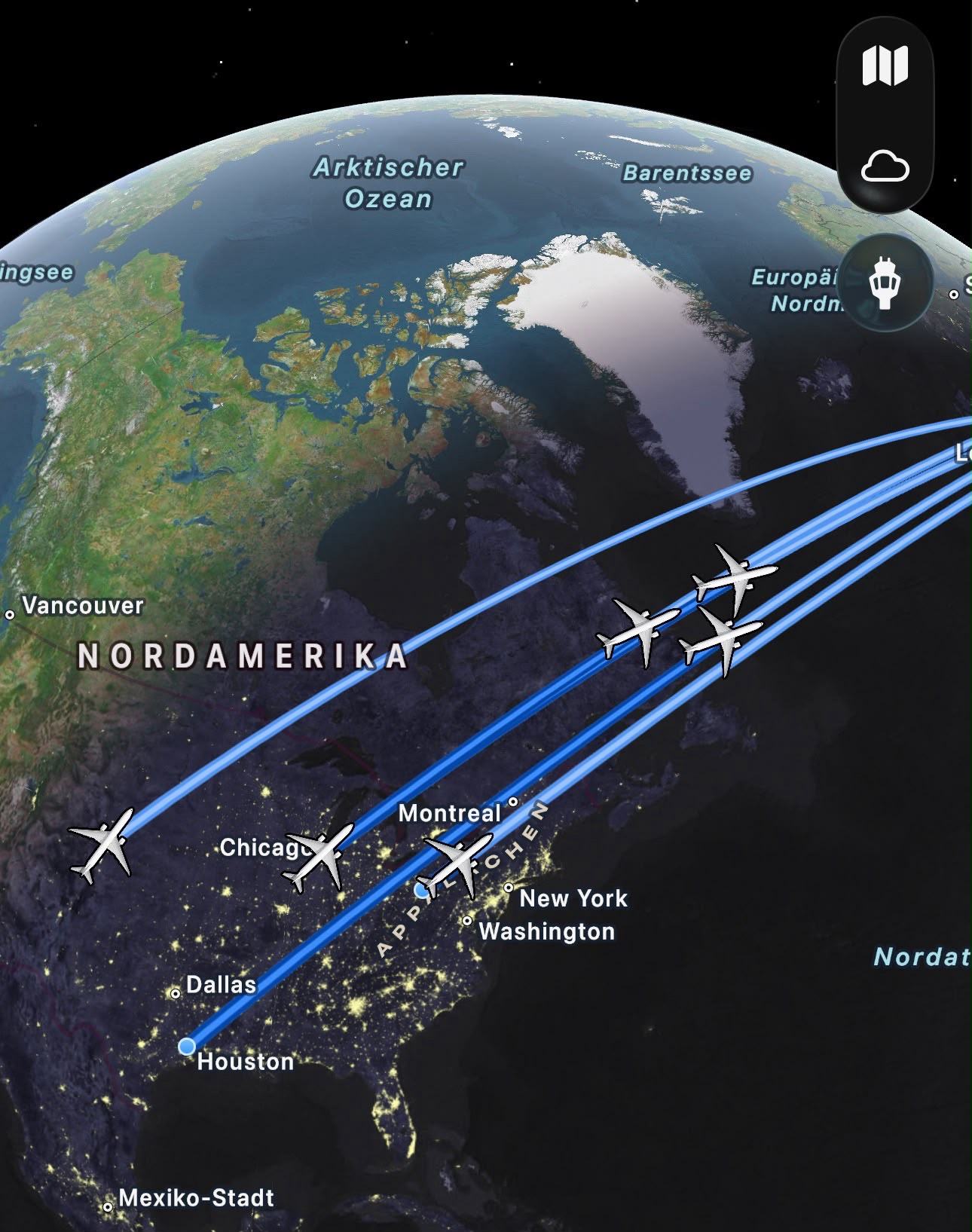
Following a brief night of sleep, and through the tireless overnight work of our travel agency (which specializes in the intricacies of orchestral touring), we started to see how it would play out: split into five smaller groups, each led by a staff member, we would fly from Houston, Chicago, Denver and Pittsburgh in order to reach either Munich or Venice and travel by bus to Bolzano, Italy.
It was a grueling 48 hours. I stopped trying to figure out how best to control jetlag, as I had done for the original Sunday evening flight, and decided that simply “getting there” was the new plan. I think all of us lost track of time and day, but for my own group, after an overnight flight, six-hour layover in Heathrow, flight to Venice, and bus to Bolzano, we did eventually arrive at the “Gateway to the Dolomites” at about 12:40AM early Wednesday morning.
Merano
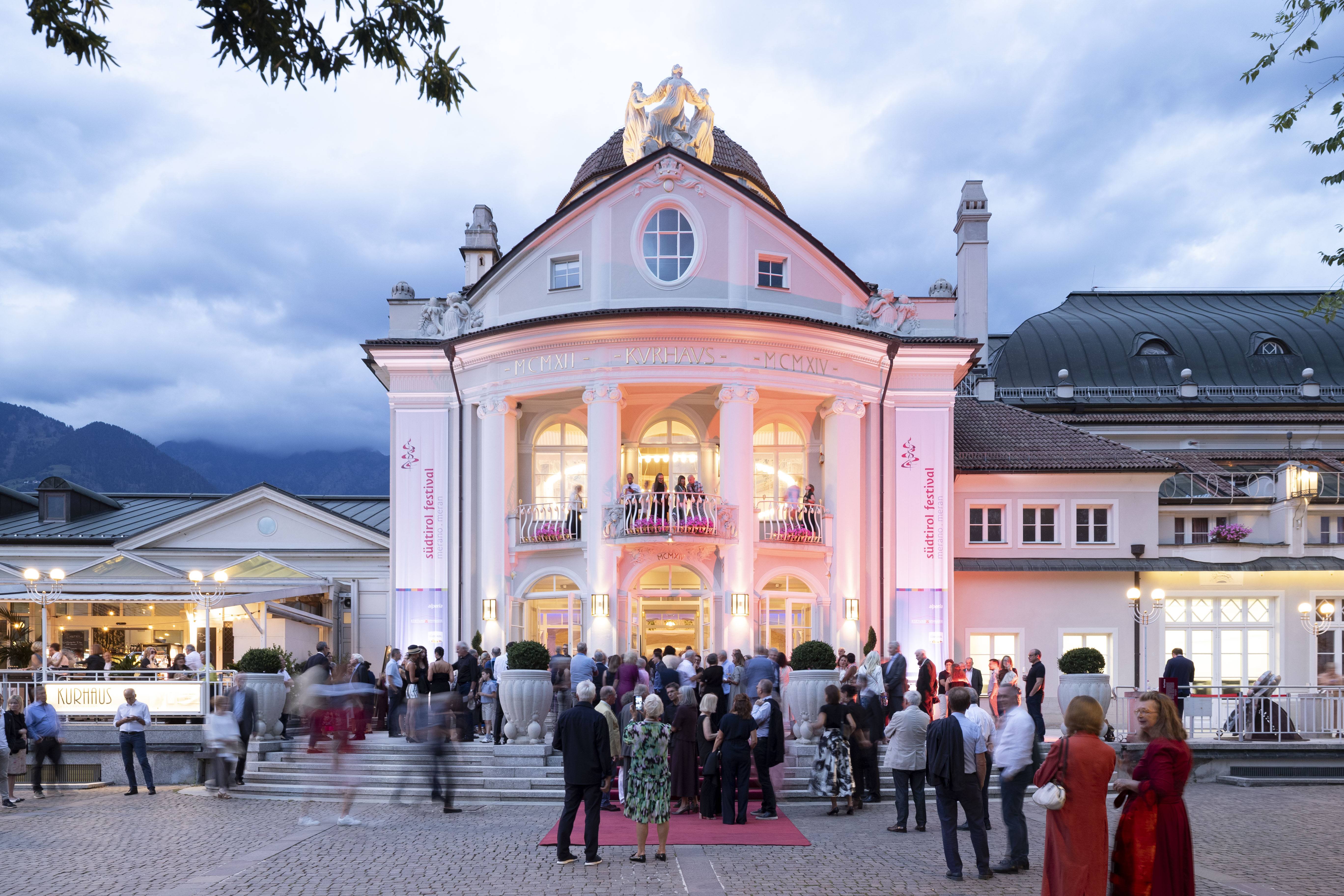
On Wednesday, with enough sleep to function, we traveled in buses to the smaller town of Merano, which hosts the South Tyrol Festival and brings some of the world’s leading artists to a small vacation spot hidden among the Dolomites. The incredible beauty of the high mountains surrounding the town justified the trip (even if I did have the thought that any other venue on our tour would’ve been a more accessible beginning).
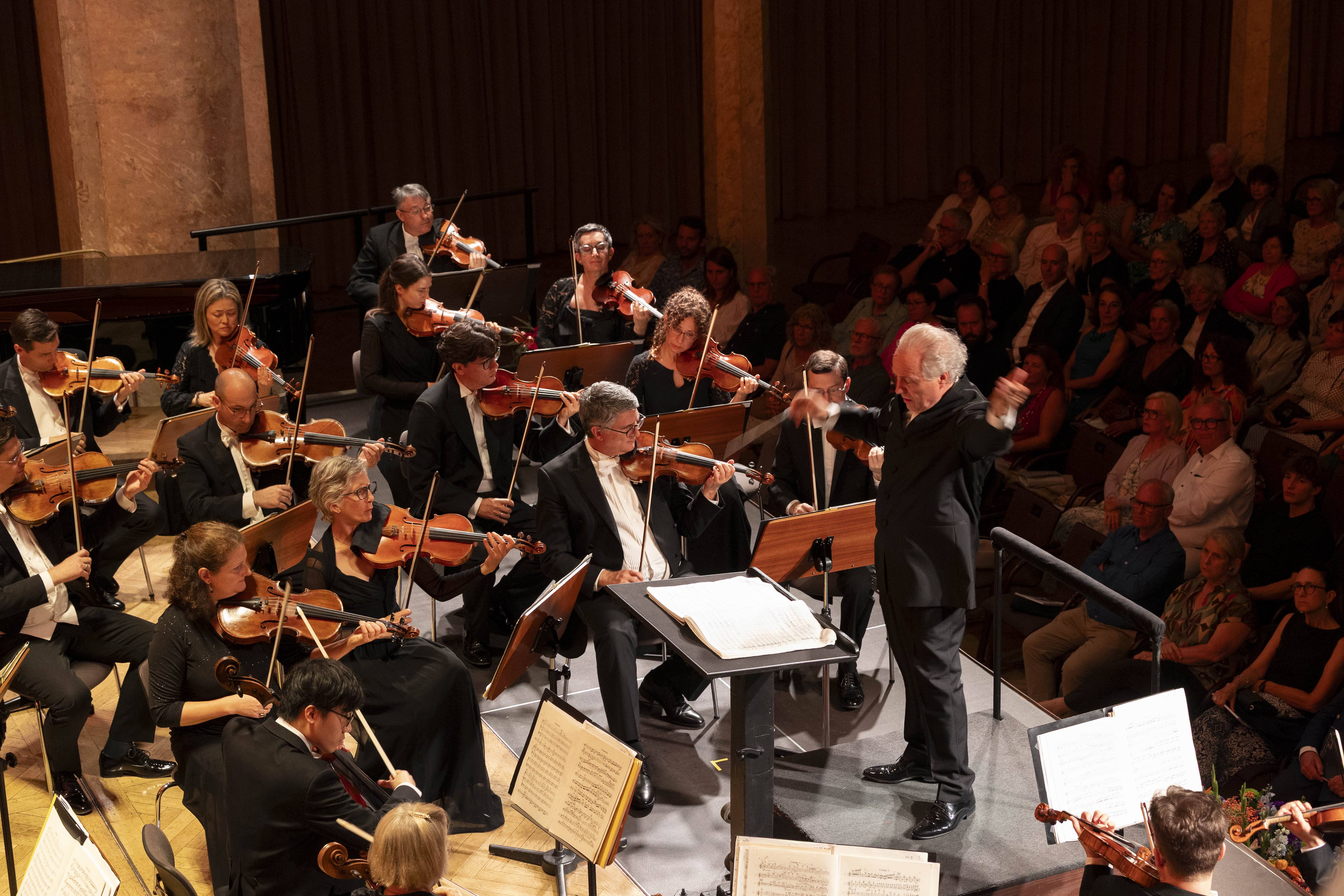
The Kurhaus, our venue in Merano, sits at the heart of town beside the beautiful River Passer. During the previous week in Pittsburgh, the orchestra had rehearsed for 18 hours, working through every detail of the music by Dvořák, Shostakovich, Schulhoff, John Adams, Carlos Simon and others. What wasn’t rehearsed was the coordination with soloists, who only join us here in Europe, though the orchestra rehearsed without the soloist, since even piano concertos can be difficult for orchestras, thanks to composers like Brahms and Rachmaninoff.
So, for our first rehearsal, we were reunited with Gilmore Artist Award-winning pianist Alexandre Kantorow, making his first appearance with the PSO since 2024. Since some musicians travel on their own, it was the first time the full touring party was together in Europe. There was palpable excitement as our Director of Personnel introduced the stagehand crew, tour doctor (every tour travels with a dedicated doctor), security, and other tour-unique people. And maybe since the travel was stressful, there was also the relief that we were all in one room, really here.
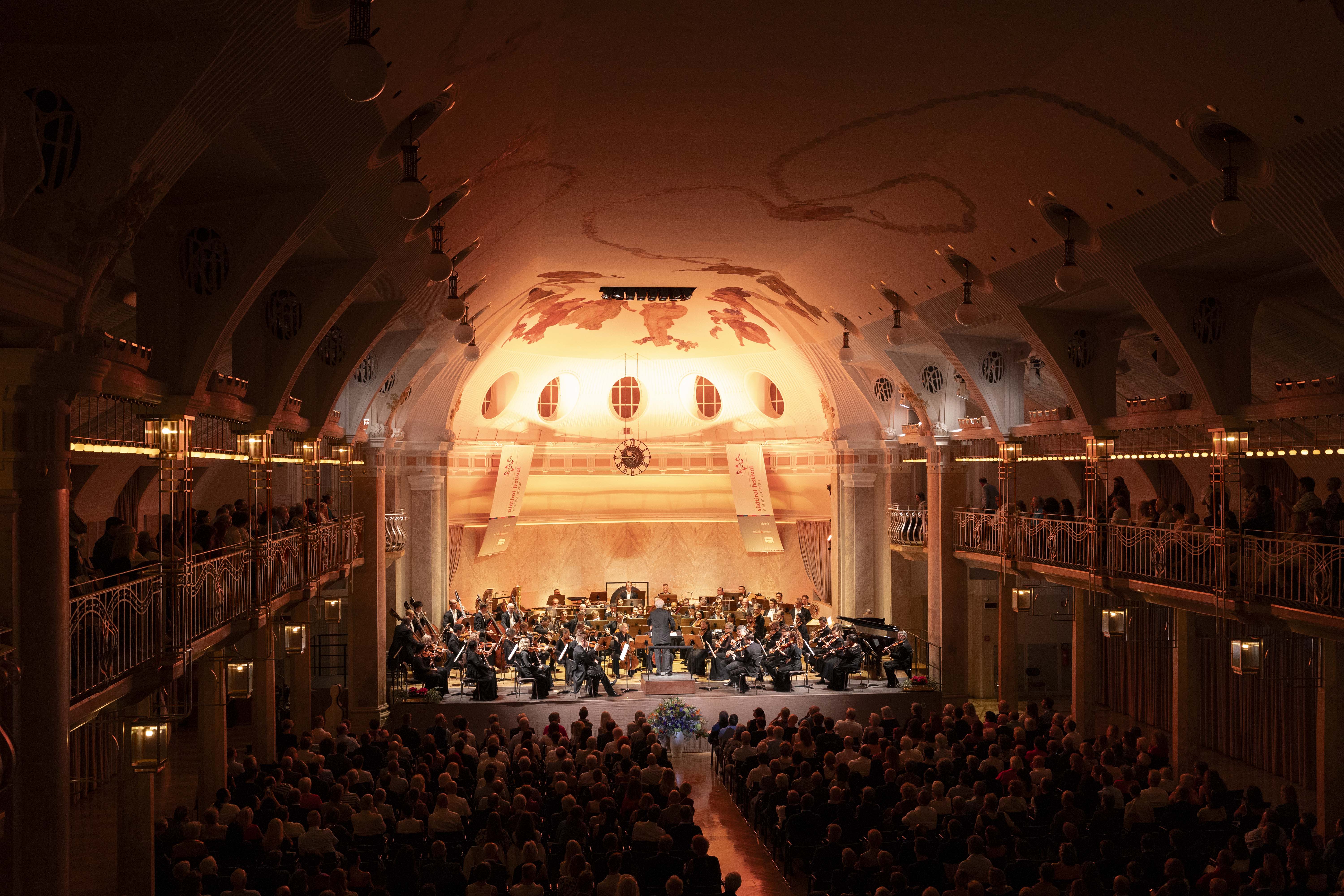
Between rehearsal and the concert, most people ambled along the River Passer or took the opportunity of being in Italy to get pizza. Soon enough, the Kurhaus was lit up in purple and pink to signal the concert; patrons and public alike posed for photos in front of the impressive facade, with the Dolomites looming above.
After the concert, an Italian patron came up to me, struggling to find the words in English, and said, “This was incredible! Very there, very good, very much right there. Wonderful.” I thought maybe that was a more eloquent way of saying it than he might’ve known: what’s special about the sound of the Pittsburgh Symphony is it has the immediacy of truth, in the way you can tell someone is ardent and sincere by how they say something. I think it's why the New York Times spoke of the feeling of fear in our Carnegie Hall performance of Shostakovich, or the New Yorker critic Alex Ross once described the “savage precision” of the orchestra: the PSO demands to be heard, and the reward of touring is knowing that we said it to all these audiences with so much conviction, and pride for Pittsburgh.
Salzburg
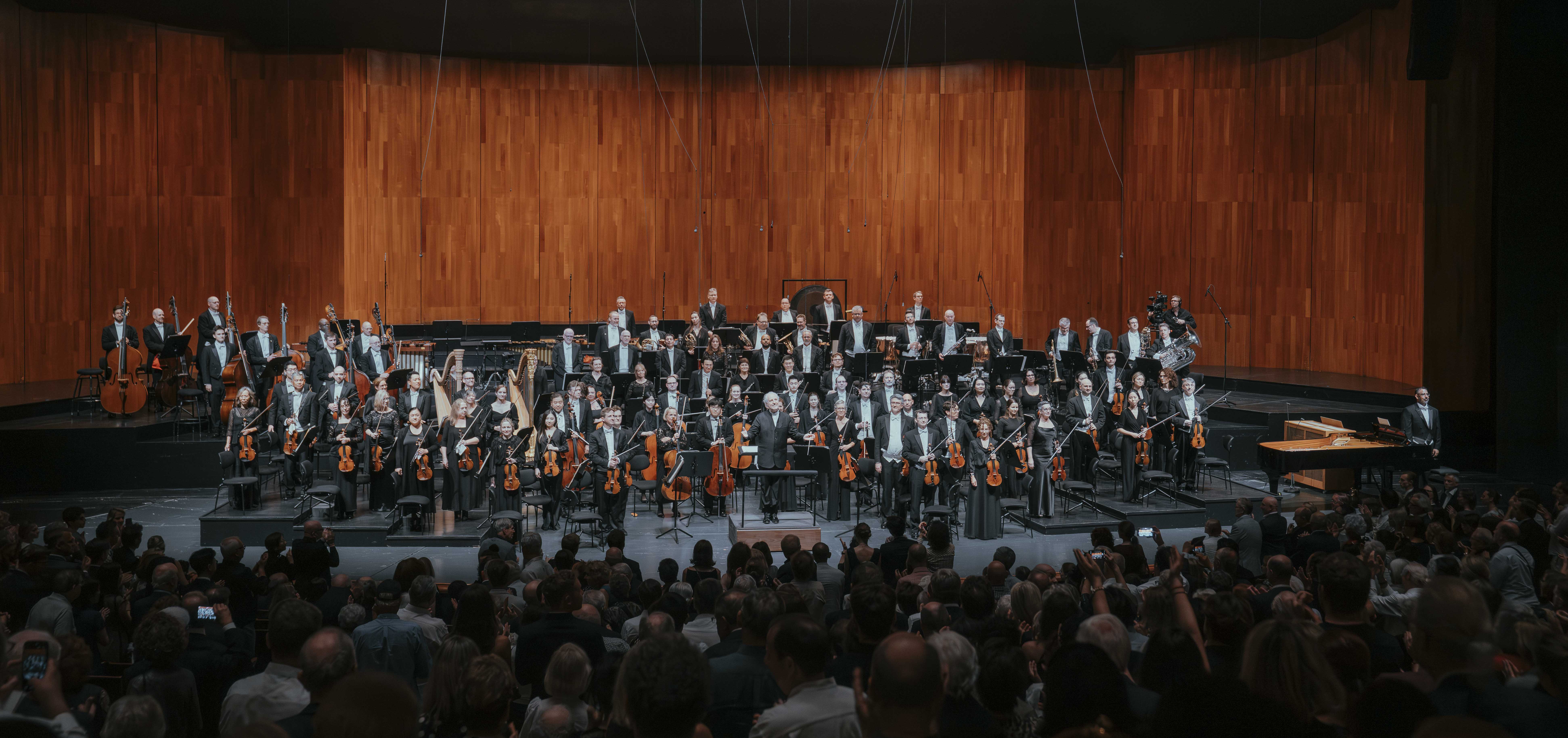
The Italian leg of tour ended this morning as we boarded buses for Salzburg, a winding and beautiful trip through the Alps. Most musicians, when we got to the hotel around 2:45, were eager to focus and warm up for one of the more high-profile appearances of the tour. The Salzburg Festival is one of the world’s most prominent music festivals. Although it may be best known for its astonishing opera productions (this year including Strauss’ Ariadne auf Naxos, conducted by Manfred Honeck), it also presents a select group of seven leading orchestras. For a few years now, the PSO has been the sole American representative alongside others like, Berlin Philharmonic, Budapest Festival Orchestra, and the Vienna Radio Symphony.
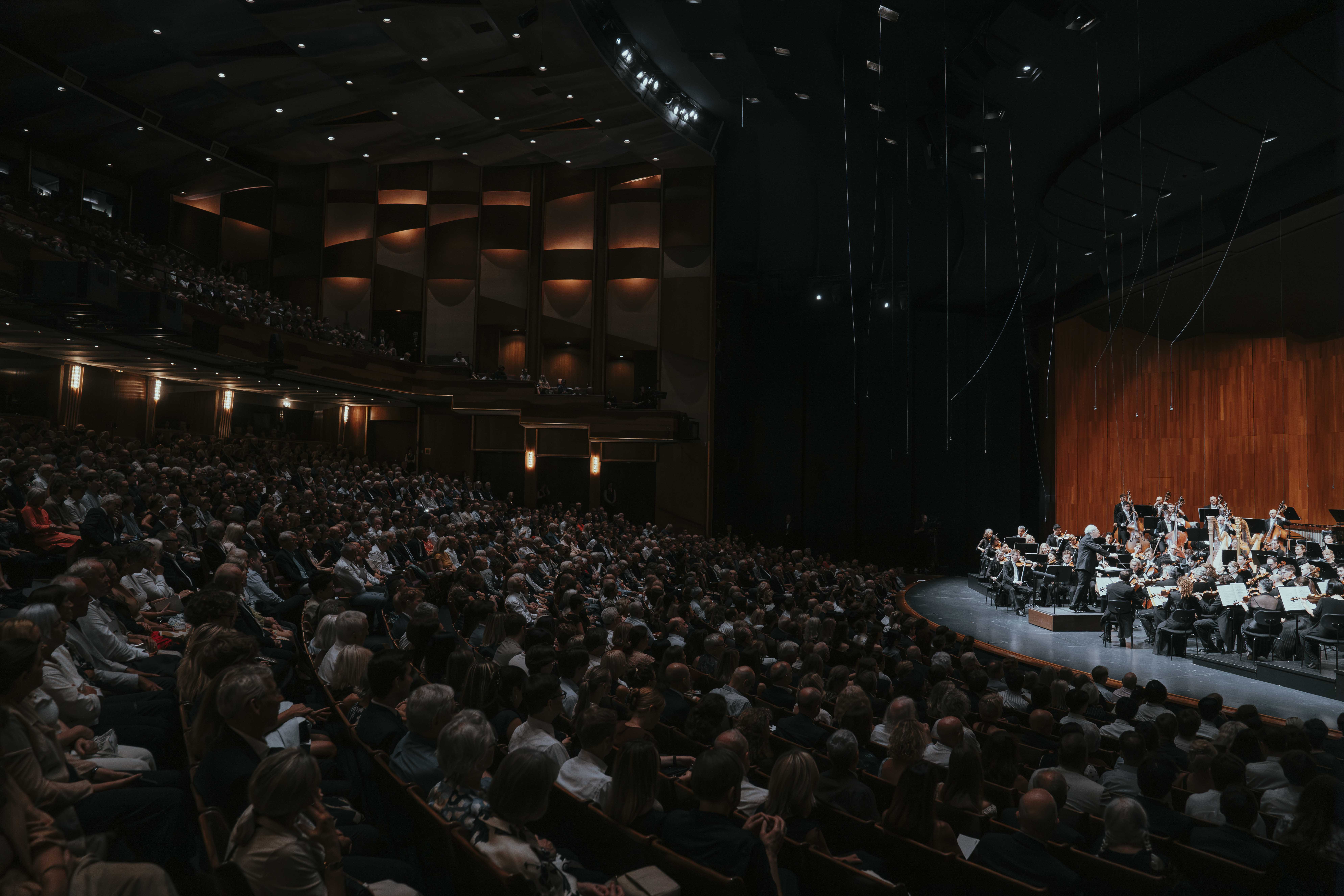
The performance is also being broadcast on Austrian radio, and video captured for later release, so there’s an added element. With only a 30-minute rehearsal to get used to the space, it was all upon us very quickly from warming up at 4PM until the concert at 8:30. We can easily take the “standard” for granted at Heinz Hall, but every new space we go to on tour, there is again the same minutiae that, however small, must be answered. These are among the reasons, in addition to the new audiences, new places, and new applause, that touring can be thought of as “performing at the most extreme version of itself.”
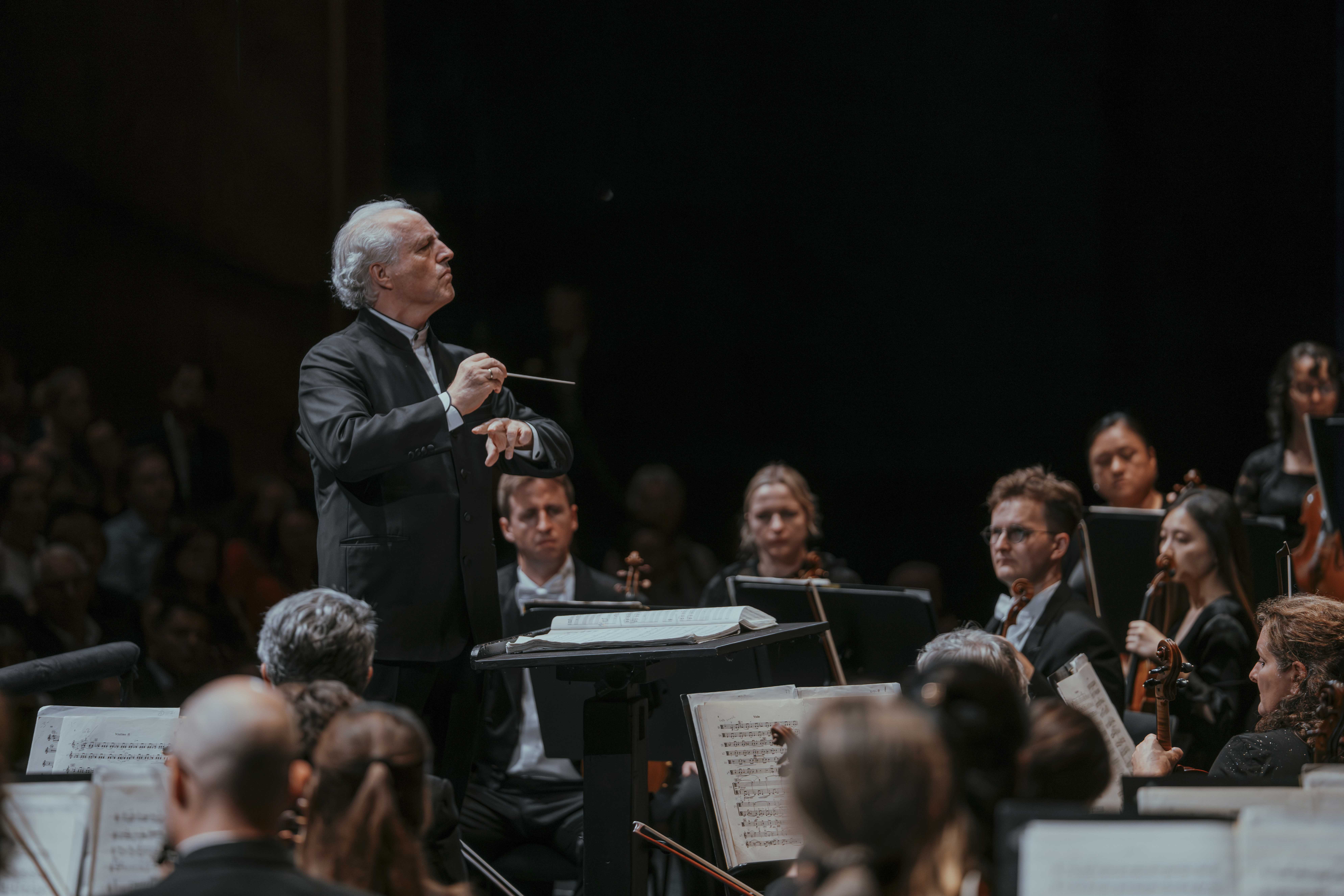
As I’ve been writing here backstage, the concert has of course gone very well. A cellphone during a harp solo is no tragedy, especially when it matches the key (F# Major, of all things). The orchestra prepares not one but two encores if the audience demands them, and indeed tonight at the Salzburg Festival both were demanded (and another was given by Kantorow at the end of the first half). What that Italian concertgoer in Merano expressed to me was, I am sure, what the super-cultured audience in Salzburg also heard: the sound of the orchestra breaking through the air to deliver a sharp and exacting message in the music. Grieg’s “Morning Mood” helped to calm things down, then Prokofiev’s “Death of Tybalt” from Romeo & Juliet again impressed with a hammered end.
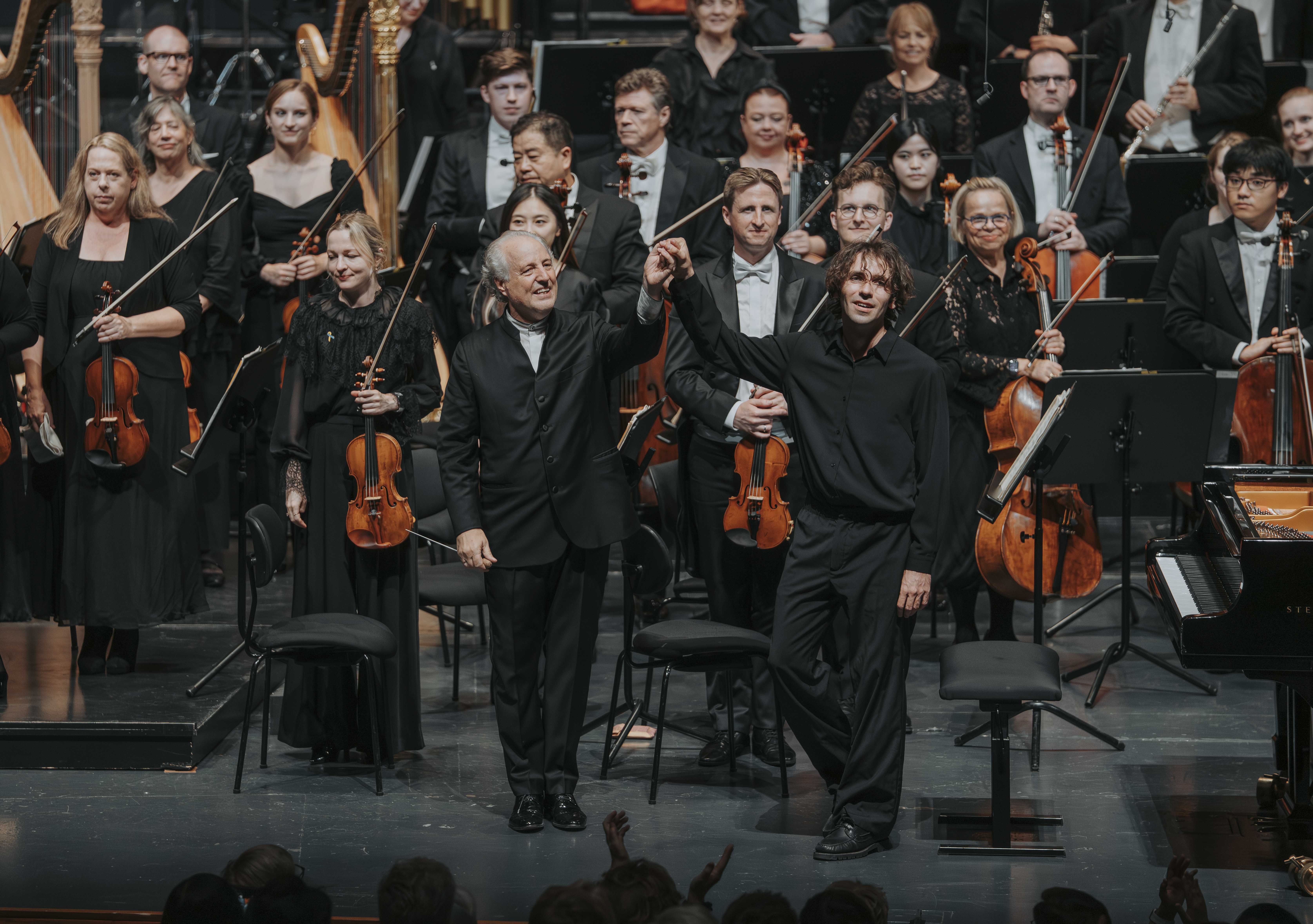
By midnight we should be back at the hotel, hopefully for a drink or two, before a well-earned bed. Tomorrow, we fly to Warsaw to begin the next leg of our tour: a series of double performances at the Polish capital, in Hamburg’s impressive Elbphilharmonie, and at the renowned Lucerne Festival.